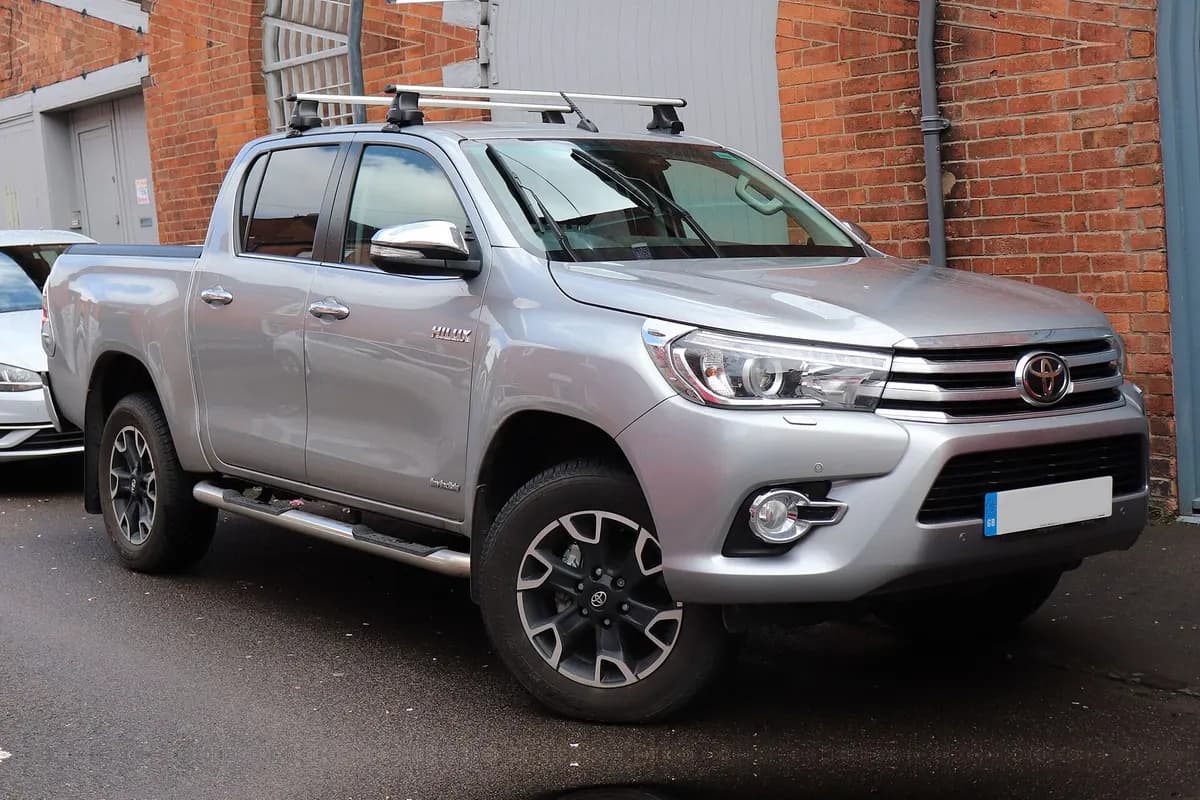
The usual asking price for a used Toyota Hilux in NZ is $29,990 to $48,963. The typical one is $37,950 with about 136,000 km.
Prices from 87 dealer listings · 6 October 2026
- Typical price
- $37,950
- Dearer than 90% of the used cars we track
- Usual price range
- $30k–$49k
- Typical kilometres
- 136,000
- Years for sale
- 1996–2026
What it costs
By kilometres
| Kilometres | Typical price |
|---|---|
| Under 50,000 km | $55,485 |
| 50,000–100,000 km | $44,990 |
| 100,000–150,000 km | $34,999 |
| Over 150,000 km | $29,923 |
By region
| Region | Typical price | Typical year |
|---|---|---|
| Auckland | $45,988 | 2020 |
| Waikato | $39,950 | 2019 |
| Wellington | $26,995 | 2007 |
Check a Hilux's asking price
Compared with dealer asking prices. Condition and history move a fair price too.
For sale now
87 listed by NZ dealers now, from $8,990.
See all 87 for saleWhat it costs to run
2015–26 · Diesel
- Running cost a year
- $5,100
- 83% of the used cars we track cost less to run
- Fuel use
- 9.1 L/100km
2004–15 · Diesel
- Running cost a year
- $5,280
- 86% of the used cars we track cost less to run
- Fuel use
- 9.5 L/100km
1998–2006 · Petrol
- Running cost a year
- $6,100
- 95% of the used cars we track cost less to run
- Fuel use
- 12.7 L/100km
Against an electric car
The 2019 Nissan Leaf costs $3,450 a year less to run, and puts out 3.2 tonnes less CO₂e
| A year | 2018 Toyota Hilux | 2019 Nissan Leaf |
|---|---|---|
| Uses | 9.1 L/100 km diesel | 18 kWh/100 km |
| Fuel or power | $4,040 | $580 |
| Road user charges | $1,060 | $1,060 |
| Total | $5,100 | $1,650 |
| CO₂e | 3,400 kg | 220 kg |
Power at 21.1c/kWh: 50% of New Zealand's 42.1c, as retailers' overnight EV plans charge (an assumption). Rightcar's energy use plus 10% for charging losses; 91 petrol at $3.43/L (MBIE, week to 2 October 2026). Servicing, tyres and insurance aren't included.
How safe it is
2015–26 · Diesel
- Safety rating
- 87% of the used cars we track rate safer
2004–15 · Diesel
- Safety rating
- 87% of the used cars we track rate safer
1998–2006 · Petrol
- Safety rating
- 96% of the used cars we track rate safer
1994–98 · Diesel
- Safety rating
- 96% of the used cars we track rate safer
| Model years and fuel | Safety stars | Fuel use | Running cost a year |
|---|---|---|---|
| 2015–26 · Diesel | 2 out of 5 | 9.1 L/100km | $5,100 |
| 2004–15 · Diesel | 2 out of 5 | 9.5 L/100km | $5,280 |
| 1998–2006 · Petrol | 1 out of 5 | 12.7 L/100km | $6,100 |
| 1994–98 · Diesel | 1 out of 5 |
What goes wrong
- Failed their first test
- 27%
- Against the average car its age
- 20% more fails
By year first registered
| Year first registered | Failed first time | Average car | Tests |
|---|---|---|---|
| 1998 | 42% | 33% | 570 |
| 2003 | 42% | 40% | 833 |
| 2005 | 39% | 41% | 999 |
| 2006 | 39% | 42% | 871 |
| 2008 | 41% | 42% | 1747 |
| 2010 | 41% | 40% | 2207 |
| 2011 | 40% | 38% | 3422 |
| 2012 | 39% | 36% | 3624 |
| 2013 | 38% | 34% | 3742 |
| 2014 | 36% | 31% | 4662 |
| 2015 | 34% | 28% | 5346 |
| 2016 | 29% | 25% | 4319 |
| 2017 | 24% | 22% | 4850 |
| 2018 | 24% | 19% | 5264 |
| 2019 | 21% | 16% | 4985 |
| 2020 | 20% | 14% | 4907 |
| 2021 | 17% | 13% | 8115 |
| 2022 | 15% | 11% | 6215 |
By kilometres
| Kilometres | Failed first time | Average car | Tests |
|---|---|---|---|
| Under 100,000 km | 17% | 17% | 23528 |
| 100,000–150,000 km | 27% | 31% | 17203 |
| 150,000–200,000 km | 35% | 38% | 14095 |
| 200,000 km or more | 41% | 40% | 20435 |
From 67,000 UK roadworthiness tests (the UK's WoF) of the Toyota Hilux, 2025.
On NZ roads
- Registered
- 165,528
- More common than 97% of the models we track
- Imported used
- 14%
- Typical year
- 2015
Rivals
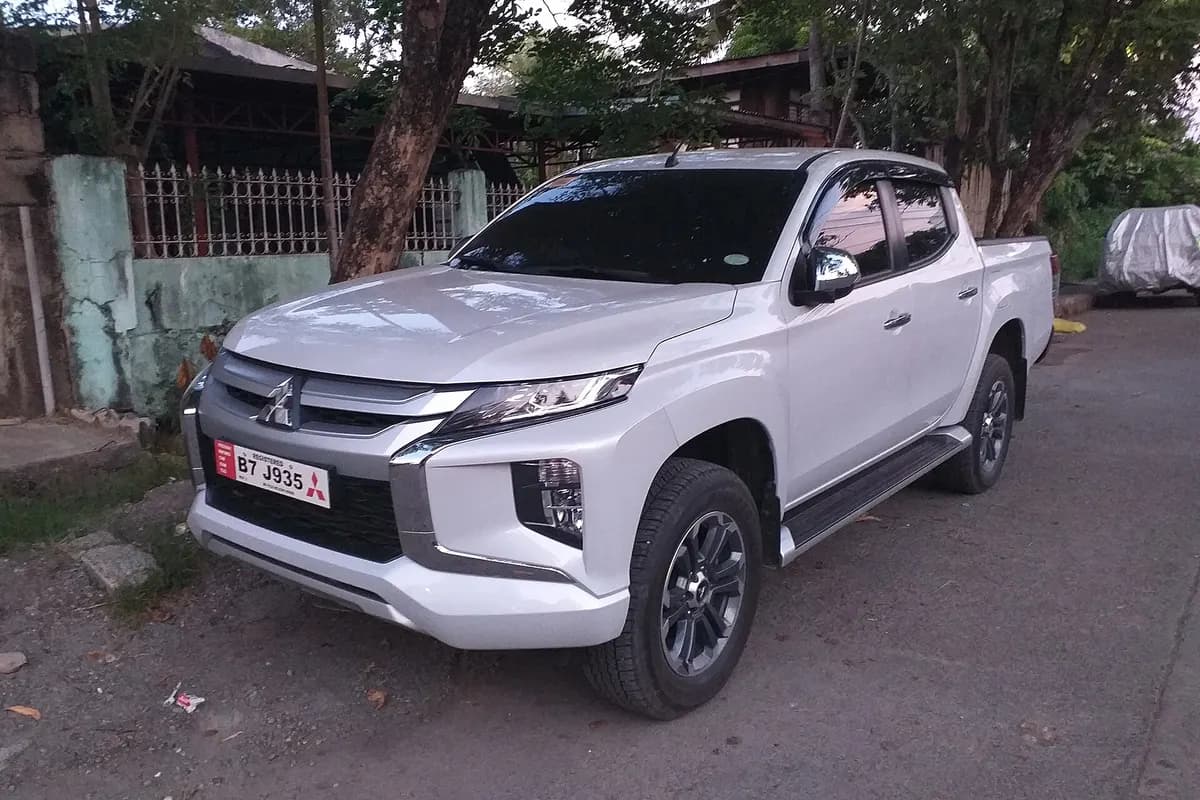
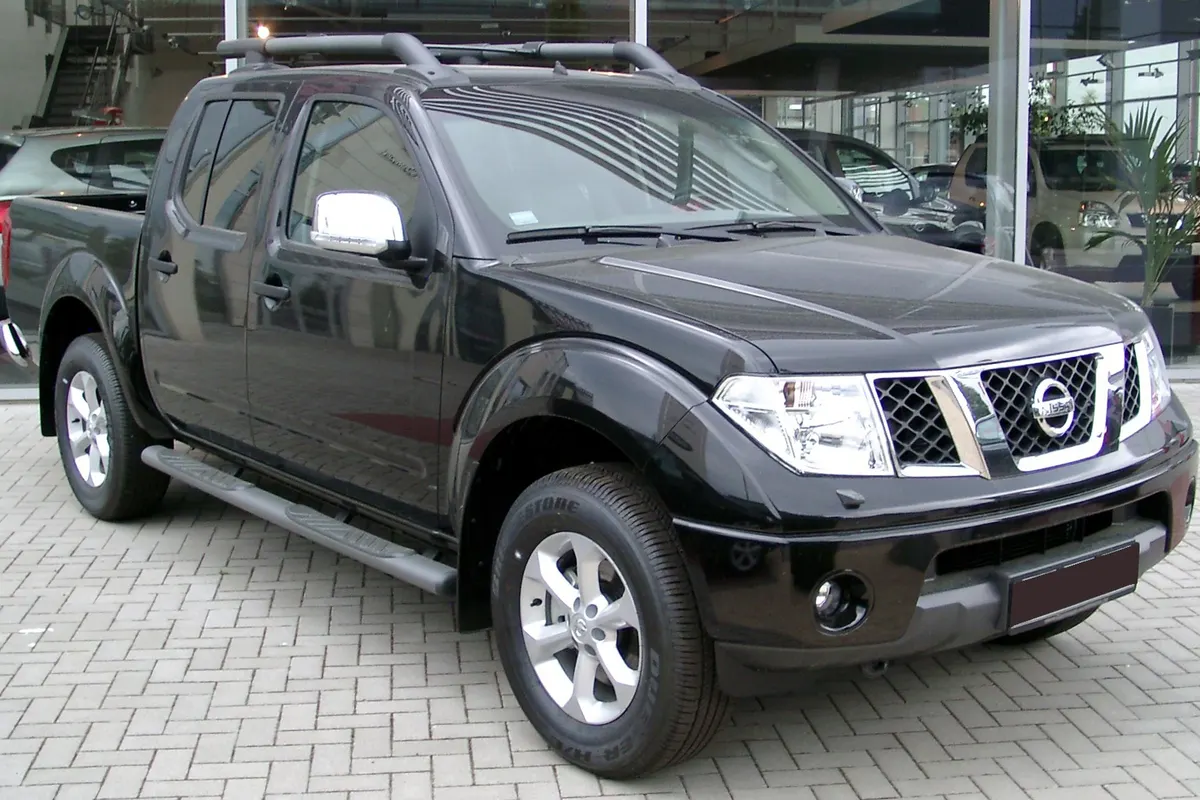
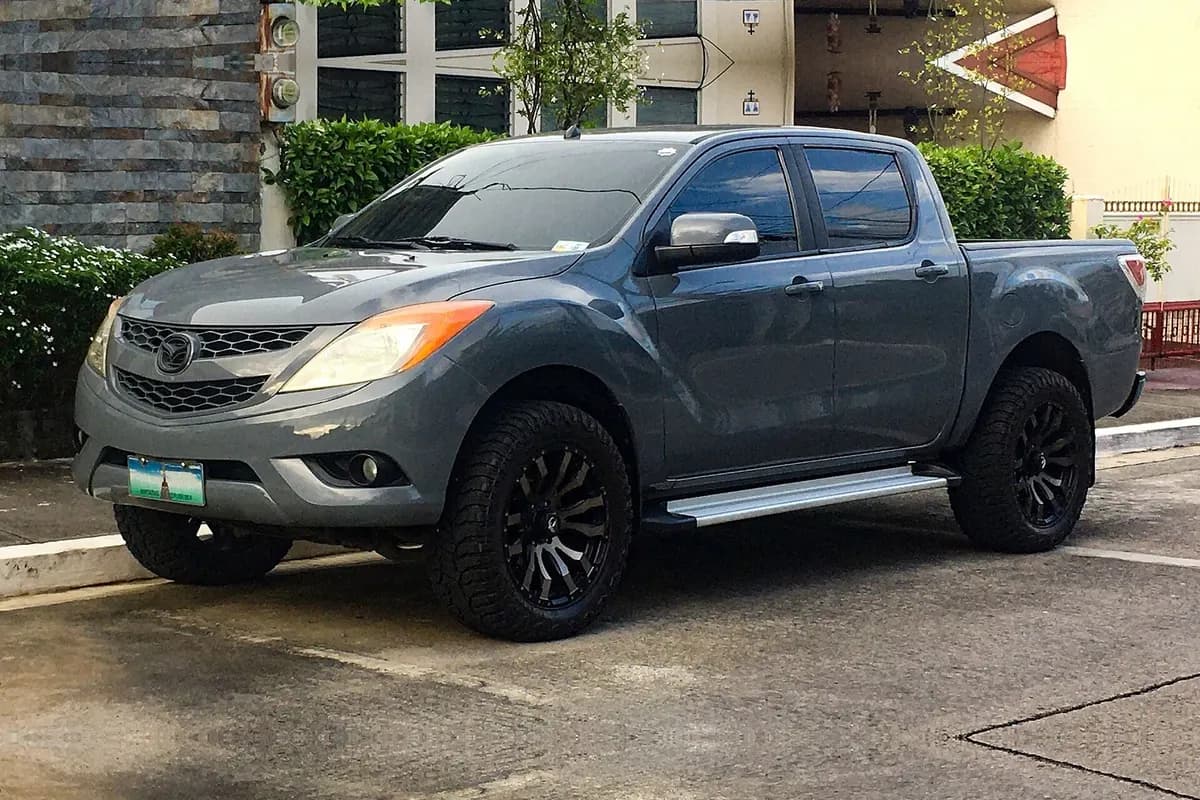
Similar utes

Questions
How much should I pay for a used Toyota Hilux?
Half of the used Hiluxes listed by NZ dealers on 6 October 2026 are priced between $29,990 and $48,963, and the typical one is $37,950 with about 136,000 km.
How much is a 2018 Toyota Hilux?
Half of the used 2018 Hiluxes listed by NZ dealers are priced between $30,868 and $43,738, and the typical one is $35,993 with about 150,000 km.
How much do kilometres change the price of a used Hilux?
The typical Hilux listed with more than 100,000 km is priced about $17,500 below the typical one with fewer.
Where are used Hiluxes for sale in NZ?
Dealers in Auckland, Waikato and Wellington list them, among other regions. The typical one in Auckland is $45,988.
How safe is a used Toyota Hilux?
The 2015–26 diesel model rates 2 stars out of 5, the 2004–15 diesel model rates 2 stars out of 5, the 1998–2006 petrol model rates 1 star out of 5 and the 1994–98 diesel model rates 1 star out of 5, in the Used Car Safety Ratings 2025, shown on Rightcar by NZTA.
How much does a used Toyota Hilux cost to run?
At 14,000 km a year, about $5,100 a year for the 2015–26 diesel model, $5,280 a year for the 2004–15 diesel model and $6,100 a year for the 1998–2006 petrol model. That's Rightcar's real-world fuel use, with fuel at MBIE's national average for the week to 2 October 2026 (91 petrol at $3.43/L and diesel at $3.17/L), plus road user charges. Servicing, insurance and repairs are extra.
How many Hiluxes are in NZ?
165,528 were registered in NZ in the NZTA Motor Vehicle Register for March 2026. 14% of them came into the country used, and the typical one is a 2015.
How often does a used Hilux fail its MOT in the UK?
27% of UK Hiluxs of the years for sale here failed their first MOT in 2025, against 24% for the average UK car of the same years. From 67,000 UK roadworthiness tests (the UK's WoF) of the Toyota Hilux, 2025.
Are these the prices cars actually sell for?
No, they are dealer asking prices. Dealers usually ask more than private sellers, because they sell under the Consumer Guarantees Act and price in reconditioning and a margin. A car's condition and history move its fair price too.
Sources
Prices: used cars listed by NZ dealers, read 6 October 2026.
Safety: Used Car Safety Ratings 2025 (Monash University), via Rightcar (NZTA). Fuel and energy use: Rightcar.
Running cost at 14,000 km a year: 91 petrol at $3.43/L and diesel at $3.17/L (MBIE national average, week to 2 October 2026). Road user charges at NZTA rates.
On NZ roads: NZTA Motor Vehicle Register, March 2026.
Wear and tear: DVSA anonymised MOT tests, 2025. Contains public sector information licensed under the Open Government Licence v3.0.
Photo: Vauxford, CC BY-SA 4.0, via Wikimedia Commons. Other photo credits